
Focus on Fiber: How Fiber Supports Digestion, Heart Health and Weight Management
- Category: DCH
- Posted On:
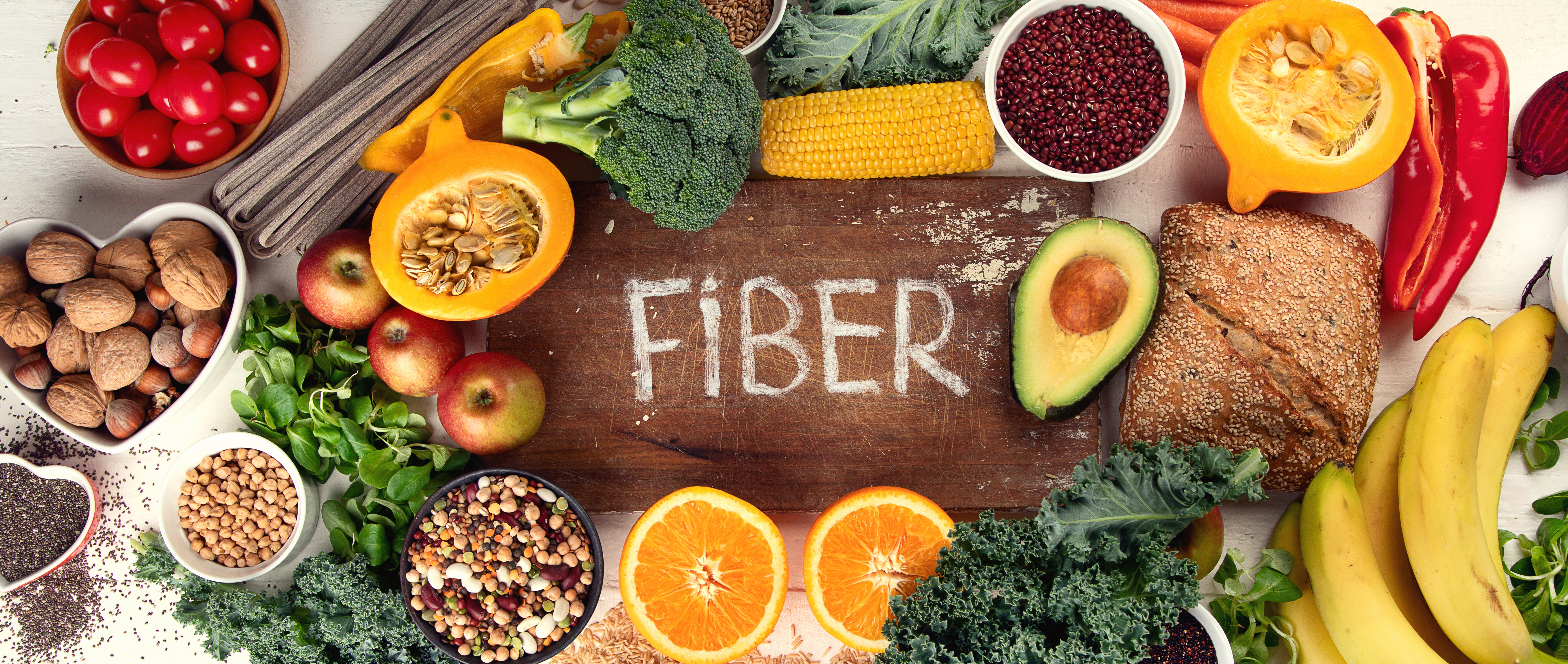

This column is part of a monthly nutrition education series written by Haley Hester, MA, RDN, LD, registered dietitian nutritionist at Daviess Community Hospital, to provide practical, evidence-based guidance to help individuals make informed choices about their health.
Why Fiber Matters for Your Health
Fiber is a type of carbohydrate found in plant-based foods that your body cannot digest. While that may sound unusual, it is exactly what makes fiber so important. Fiber helps regulate digestion, supports heart health and helps you feel full longer.
Understanding how fiber works can help you make simple changes that support long-term health.
What Does Fiber Do in the Body?
Fiber supports several important functions in the body:
- Digestive health: Helps prevent constipation and promotes regular bowel movements
- Heart health: Helps lower cholesterol and supports blood sugar control
- Weight management: Helps you feel full, which may reduce overeating
- Gut health: Feeds beneficial gut bacteria and supports immune function
These benefits make fiber an essential part of a balanced, healthy diet.
How Much Fiber Do You Need Each Day?
Daily fiber needs vary, but general recommendations include:
- Women: 21–25+ grams per day
- Men: 30–38+ grams per day
If you are not used to tracking fiber, start by monitoring your intake for a few days. From there, gradually increase your intake over several weeks to allow your body to adjust.
Types of Fiber: Soluble vs. Insoluble
There are two main types of fiber, and both play important roles in your health.
Soluble Fiber
- Slows digestion
- Helps lower cholesterol
- Found in foods like oats, apples, beans and citrus fruits
Insoluble Fiber
- Adds bulk to stool
- Helps move food through the digestive system
- Found in whole grains, nuts and vegetables
Including a variety of both types of fiber can help support overall digestive and metabolic health.
Easy Ways to Add More Fiber to Your Diet
Increasing fiber does not have to be complicated. Small changes can make a meaningful difference.
Try these simple strategies:
- Start your day with whole grain cereal or oatmeal
- Snack on raw vegetables, fruits or nuts
- Choose whole grain bread, pasta and rice
- Add beans or lentils to soups, salads and stews
- Keep the skin on fruits and vegetables when possible
- Sprinkle chia seeds or flaxseeds on yogurt, toast or oatmeal
These habits can help you consistently increase your daily fiber intake.
Build Better Habits with Fiber
Adding fiber is most effective when paired with other healthy habits.
- Drink plenty of water: Fiber works best when it absorbs water, helping digestion move smoothly
- Combine protein and fiber: Foods like beans and lentils provide both nutrients, supporting fullness and balanced nutrition
Building on small changes over time can make healthy eating more sustainable.
Supporting Your Health with Nutrition Guidance at DCH
At Daviess Community Hospital in Washington, Indiana, nutrition education is an important part of patient care. Registered dietitians provide guidance to help individuals manage chronic conditions, improve heart health and achieve weight management goals through practical, personalized strategies.
About the Author
Haley Hester, MA, RDN, LD, is a registered dietitian nutritionist at Daviess Community Hospital in Washington, Indiana. She provides inpatient and outpatient diabetes and nutrition education and specializes in heart health, weight management and medical nutrition therapy for chronic conditions. Haley earned her bachelor’s and master’s degrees in dietetics and nutrition from Ball State University and is a licensed dietitian in Indiana.
For more information about Daviess Community Hospital’s Diabetes and Nutrition Education, visit: https://www.dchosp.org/dietitian.